
Top 10 Foods to Sharpen Your Mind
Discover the best brain foods that boost memory, improve focus, and protect cognitive function. Science-backed nutrition for long-term mental sharpness and clarity.
I’ll never forget the moment I realized my diet was sabotaging my brain. It was 2 PM on a Tuesday, I was staring at a spreadsheet that might as well have been written in ancient Sanskrit, and I’d just polished off my third cup of coffee trying to fight through the fog. My colleague breezed by, sharp as a tack, munching on what looked like a handful of nuts.
“What’s your secret?” I asked, only half-joking.
He tapped his temple. “You are what you eat, man. Especially up here.”
That conversation sent me down a rabbit hole that completely transformed how I think about food. Because here’s the truth nobody tells you: your brain is the greediest organ in your body, consuming about 20% of your daily calories despite being only 2% of your body weight. Feed it junk, and you’ll feel like junk. Feed it right, and it’s like upgrading from dial-up to fiber optic.
This isn’t about rigid meal plans or exotic superfoods you can’t pronounce. This is about understanding which foods for brain health actually move the needle on your memory, focus, and long-term cognitive function – and why your grandmother was right about some things all along.
The Science Behind Brain Nutrition: Why Food Matters More Than You Think
Let’s start with a reality check. Your brain isn’t some isolated computer running on electricity alone. It’s a living, dynamic organ that literally rebuilds itself using the raw materials you provide through your diet. Every neurotransmitter, every cell membrane, every protective antioxidant comes from what you eat.
Brain nutrition works on multiple levels. The foods that improve focus do so by optimizing neurotransmitter production – the chemical messengers that control everything from mood to memory. Memory boosting foods typically contain compounds that protect neurons from oxidative stress and inflammation, the twin villains of cognitive decline.
The Mediterranean diet has become the gold standard for brain healthy diet patterns, and for good reason. Studies show people who follow this eating style have up to 40% lower risk of cognitive impairment. But it’s not magic – it’s biology meeting consistently good choices.
The All-Stars: Foods That Actually Make a Difference
Fatty Fish: Your Brain’s Best Friend
If I could recommend only one category of brain foods, it would be fatty fish. No contest.
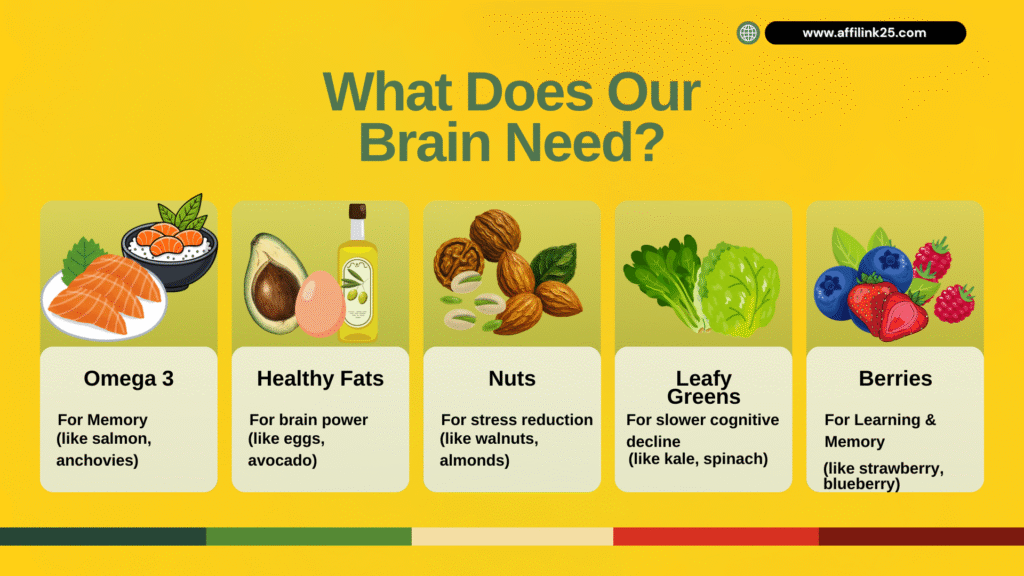
Here’s why: your brain is approximately 60% fat, and a huge portion of that is DHA (docosahexaenoic acid), an omega-3 fatty acid. DHA isn’t just structural – it’s functional. It improves the fluidity of cell membranes, which affects how quickly neurons can communicate with each other.
Omega-3 rich foods for brain function include:
- Salmon (wild-caught preferred): 2,260mg omega-3 per 3.5 oz serving
- Sardines: 1,480mg per 3.5 oz serving
- Mackerel: 4,580mg per 3.5 oz serving
- Anchovies: High in omega-3s plus vitamin B12
The research is overwhelming. Higher omega-3 fatty acids intake correlates with larger hippocampal volumes (your memory center), better working memory, and protection against age-related cognitive decline.
I aim for fatty fish three times a week. Tuesday salmon, Friday sardines on toast, Sunday mackerel with vegetables. It’s become as automatic as brushing my teeth, and the mental clarity difference is undeniable.
Berries: Nature’s Brain Protectors
Antioxidant foods for memory don’t get better than berries. These little nutritional powerhouses pack flavonoids – plant compounds that literally accumulate in brain regions responsible for learning and memory.
Blueberries are the rockstars here. Studies show regular blueberry consumption improves memory performance and delays cognitive aging. The anthocyanins (compounds that give berries their color) cross the blood-brain barrier and concentrate in learning and memory areas.
But don’t stop there:
- Strawberries: High in fisetin, which reduces inflammation
- Blackberries: Packed with vitamin K and manganese
- Raspberries: Excellent source of ellagic acid, a neuroprotective compound
My breakfast routine? A cup of mixed berries with Greek yogurt every single morning. It’s delicious, convenient, and I’m literally eating my cognitive insurance policy.
Leafy Greens: The Overlooked Brain Champions
Your mother was onto something with the “eat your vegetables” mantra. Leafy greens might be the most underrated foods for brain health out there.
A rush study followed nearly 1,000 older adults and found that eating just one serving of leafy greens daily was associated with slower cognitive decline – equivalent to being 11 years younger cognitively.
The winners:
- Kale: Loaded with vitamin K, lutein, folate, and beta-carotene
- Spinach: Rich in vitamin E and K
- Swiss chard: High in magnesium for stress resilience
- Arugula: Contains nitrates that improve blood flow to the brain
I’ve made it a rule: lunch and dinner must include a substantial serving of greens. Salads, sautéed spinach, kale smoothies – whatever works. The compound effect over months and years is where the magic happens.
Nuts and Seeds: Portable Brain Fuel
Brain boosting snacks don’t get more convenient than nuts and seeds. They’re packed with healthy fats, vitamin E, and minerals that support cognitive function.
Walnuts deserve special mention – they’re shaped like a brain for a reason, it seems. They contain the highest amount of omega-3 fatty acids of any nut, plus polyphenols that reduce oxidative stress and inflammation.
My go-to brain protective foods in this category:
| Nut/Seed | Key Benefit | Daily Amount |
|---|---|---|
| Walnuts | Omega-3 ALA, polyphenols | 1 oz (7 walnuts) |
| Almonds | Vitamin E, magnesium | 1 oz (23 almonds) |
| Pumpkin seeds | Zinc, magnesium, iron | 1 oz (1/4 cup) |
| Flaxseeds | Omega-3 ALA, lignans | 1-2 tablespoons ground |
| Chia seeds | Omega-3, fiber, protein | 1-2 tablespoons |
I keep mixed nuts at my desk, in my car, and in my gym bag. When that mid-afternoon slump hits, a handful of walnuts provides sustained energy without the crash of sugary snacks.
The Power Players: Foods That Supercharge Mental Performance
Dark Chocolate: The Delicious Brain Booster
Finally, something indulgent that’s actually good for your brain function. But before you reach for a Snickers, let me clarify: we’re talking about dark chocolate with at least 70% cacao content.
Dark chocolate contains flavonoids, caffeine, and antioxidants that improve blood flow to the brain and enhance neuroplasticity. Studies show it can improve verbal memory and reaction time.
The sweet spot (pun intended): 1-2 ounces of 70-85% dark chocolate daily. I have a square after lunch – it satisfies my sweet tooth while actually supporting cognitive function. Win-win.
Eggs: The Complete Brain Package
Eggs got a bad rap for decades, but science has vindicated them spectacularly. They’re one of the best foods that increase brain power because they contain multiple nutrients critical for brain health.
Choline is the star here – your body uses it to create acetylcholine, a neurotransmitter involved in mood and memory regulation. One egg provides about 147mg of choline, and you need 425-550mg daily.
Eggs also contain:
- B vitamins (B6, B12, folate): Regulate homocysteine levels linked to cognitive decline
- Vitamin D: Supports cognitive health and mood regulation
- Lutein and zeaxanthin: Antioxidants that accumulate in the brain
I start most days with 2-3 eggs. Scrambled, poached, over-easy – variety keeps it interesting while consistently providing brain-building nutrients.
Avocados: Healthy Fats for Healthy Thoughts
Avocados are loaded with monounsaturated fats that support healthy blood flow to the brain. Good blood flow means better oxygen and nutrient delivery, which translates to improved mental clarity and focus.
They’re also rich in:
- Vitamin K: Supports cognitive health and prevents blood clots
- Folate: Critical for proper brain function
- Vitamin C: Protects against cognitive decline
- Vitamin E: Powerful antioxidant that protects cell membranes
I add half an avocado to lunch most days – on salads, with eggs, or simply with sea salt and lime. The creamy satisfaction keeps me full while my brain reaps the benefits.
The Supporting Cast: Don’t Overlook These Brain Allies
Green Tea: Calm Focus in a Cup
Green tea offers a unique combination of L-theanine and caffeine that creates alert calmness – focus without jitters. L-theanine increases alpha brain wave activity, associated with relaxed alertness.
The polyphenols in green tea (particularly EGCG) also protect against neurodegenerative diseases and support long-term brain health.
I’ve replaced my afternoon coffee with matcha (concentrated green tea powder). The sustained energy and mental clarity blow coffee out of the water.
Turmeric: The Golden Brain Protector
Turmeric contains curcumin, a compound with powerful anti-inflammatory and antioxidant effects. It crosses the blood-brain barrier and has been shown to improve memory and stimulate the growth of new brain cells.
The catch? Curcumin absorption is notoriously poor. The hack: consume it with black pepper (which contains piperine, increasing absorption by 2000%) and healthy fats.
I add turmeric to curries, scrambled eggs, and smoothies. Golden milk (turmeric latte) before bed has become my relaxing ritual.
Broccoli: Vitamin K Powerhouse
Broccoli is loaded with vitamin K – one cup provides over 100% of your daily needs. Vitamin K is essential for forming sphingolipids, a type of fat that’s densely packed into brain cells.
It also contains compounds with anti-inflammatory and antioxidant effects that protect the brain from damage.
I roast broccoli with olive oil and garlic 2-3 times weekly. Simple, delicious, and brain-protective.
Pumpkin Seeds: Micronutrient Gems
These little seeds punch way above their weight class in brain nutrition. They’re rich in:
- Magnesium: Essential for learning and memory
- Iron: Prevents brain fog associated with deficiency
- Zinc: Critical for nerve signaling and preventing neurological diseases
- Copper: Helps control nerve signals
A quarter-cup provides significant amounts of all four. I sprinkle them on salads, blend into smoothies, or eat them as a snack.
What to Avoid: Foods That Dim Your Mental Edge
Understanding best foods for brain health is only half the equation. You also need to know what’s actively working against you.
The Brain Drain List
Refined sugars and processed carbs spike blood glucose, causing inflammation and glycation (sugar molecules damaging proteins). This accelerates cognitive aging and impairs memory formation.
Trans fats (partially hydrogenated oils) damage cell membranes and are associated with worse memory, smaller brain volume, and cognitive decline. They’re hiding in many processed foods, baked goods, and margarine.
Excessive alcohol kills brain cells, disrupts sleep architecture, and interferes with vitamin B absorption. Moderate consumption (1 drink daily for men) may be neutral or even beneficial, but more than that becomes neurotoxic.
High-sodium processed foods contribute to hypertension, which damages the delicate blood vessels in your brain over time, impairing cognitive function.
I’m not saying never enjoy these things. I’m saying be strategic and recognize the trade-off. That donut might taste good for five minutes, but is it worth the afternoon brain fog?
The Mediterranean Approach: Putting It All Together
How Does the Mediterranean Diet Support Cognitive Function?
The Mediterranean diet for brain health isn’t a diet in the restrictive sense – it’s a pattern of eating that naturally emphasizes brain foods while minimizing the junk.
The framework is simple:
- Base: Vegetables, fruits, whole grains, legumes
- Often: Fish, olive oil, nuts, seeds
- Moderate: Eggs, poultry, dairy
- Rare: Red meat, sweets, processed foods
This pattern naturally maximizes anti-inflammatory foods for brain health while providing abundant antioxidants, healthy fats, and protective compounds.
A landmark study of over 7,700 people found those who most closely followed this pattern had 36% lower risk of brain lesions that can lead to cognitive impairment.
My Mediterranean-Inspired Day
Breakfast: Greek yogurt with berries, walnuts, and ground flaxseed Lunch: Large salad with mixed greens, chickpeas, avocado, olive oil, vinegar Snack: Apple with almond butter or dark chocolate Dinner: Grilled salmon with roasted vegetables and quinoa Drinks: Green tea throughout the day, plenty of water
This isn’t complicated or expensive. It’s consistently choosing whole foods that support long-term brain health over convenient options that don’t.
Practical Implementation: Making It Stick
What Should I Eat for Breakfast to Improve Mental Clarity?
Brain boosting breakfast foods set the tone for your entire day. Skip breakfast or grab a sugary pastry, and you’re setting yourself up for energy crashes and poor focus.
My formula: Protein + Healthy Fat + Antioxidants + Fiber
Winning combinations:
- Omega-3 scramble: Eggs with smoked salmon, spinach, avocado
- Berry brain bowl: Greek yogurt, mixed berries, walnuts, chia seeds, cinnamon
- Green machine: Smoothie with spinach, berries, avocado, almond butter, flaxseed
- Savory oatmeal: Steel-cut oats with eggs, sautéed vegetables, olive oil
These provide sustained energy, stable blood sugar, and the building blocks your brain needs for neurotransmitter production.
Smart Snacking for Sustained Focus
Brain boosting snacks for work prevent the afternoon slump and keep mental clarity high throughout the day.
Keep these options handy:
- Trail mix: Walnuts, almonds, pumpkin seeds, dark chocolate chips
- Apple slices with almond butter: Fiber + healthy fats + protein
- Hummus with vegetables: Protein, healthy fats, vitamins
- Hard-boiled eggs: Complete protein with choline
- Greek yogurt with berries: Protein, probiotics, antioxidants
The key is combining protein or healthy fat with any carbohydrate to slow digestion and maintain stable blood sugar.
The Gut-Brain Connection: Don’t Ignore Your Second Brain
What’s the Connection Between Gut Health and Brain Function?
Your gut and brain are in constant communication via the gut-brain axis. The microbiome (bacteria in your gut) produces neurotransmitters, regulates inflammation, and influences cognitive function and mood.
Foods that support both gut and brain health:
- Fermented foods: Yogurt, kefir, sauerkraut, kimchi (probiotics)
- Prebiotic foods: Garlic, onions, leeks, asparagus, bananas (feed good bacteria)
- Fiber-rich foods: Vegetables, fruits, whole grains, legumes (support microbiome diversity)
I’ve added kefir to my breakfast routine and sauerkraut to lunches. The mental clarity improvements were noticeable within two weeks.
Hydration: The Most Overlooked Brain Food
How Much Water Should I Drink for Optimal Brain Function?
Your brain is 73% water. Even mild dehydration (2% loss) significantly impairs cognitive performance, mood, and memory.
Yet most people walk around chronically under-hydrated, mistaking brain fog for lack of caffeine.
The protocol:
- Morning: 16 oz upon waking
- Throughout day: Half your body weight in ounces (150 lbs = 75 oz)
- With meals: 8 oz before eating
- During exercise: Additional 16-20 oz per hour
Add electrolytes if you exercise heavily, drink coffee, or sweat significantly. Sodium, potassium, and magnesium support proper hydration at the cellular level.
I keep a 32 oz water bottle with me always. Fill it twice during work hours, and I’ve hit my baseline. The mental clarity difference is immediate and dramatic.
Age-Proofing Your Brain: Prevention Through Nutrition
Can Certain Foods Help Prevent Alzheimer’s and Dementia?
Foods that prevent cognitive decline work through multiple mechanisms – reducing inflammation, protecting against oxidative stress, supporting vascular health, and providing building blocks for neuron repair.
The MIND diet (Mediterranean-DASH Intervention for Neurodegenerative Delay) specifically targets brain health. It emphasizes:
- Daily: Leafy greens, other vegetables, nuts, berries
- Weekly: Beans, whole grains, fish, poultry, olive oil
- Limited: Red meat, butter, cheese, pastries, fried foods
Studies show adherence to this pattern reduces Alzheimer’s risk by up to 53% in highly compliant individuals and 35% in moderately compliant people.
The message: you don’t have to be perfect. Consistent better choices compound over time into significant protection.
Your 30-Day Brain Food Transformation
Ready to implement? Here’s your roadmap for nutrition for memory improvement:
Week 1: Add Brain Superstars
- Include berries at breakfast daily
- Eat fatty fish 2-3 times this week
- Add one serving of leafy greens to lunch and dinner
- Snack on nuts instead of processed foods
Week 2: Eliminate Brain Drainers
- Remove refined sugar from breakfast
- Switch from processed snacks to whole food options
- Reduce alcohol to 3 drinks or fewer this week
- Eliminate trans fats (check labels)
Week 3: Optimize Hydration and Timing
- Hit hydration targets daily
- Eat within one hour of waking
- No food within 3 hours of bedtime
- Include protein and healthy fat with every meal
Week 4: Fine-Tune and Maintain
- Add fermented foods for gut health
- Include dark chocolate and green tea strategically
- Establish sustainable shopping and meal prep routine
- Track mental clarity and memory improvements
The Compound Effect: Your Brain’s Long-Term Investment
Here’s what nobody tells you about foods for long-term brain health: the benefits compound exponentially over time. One meal of salmon doesn’t fix everything. But salmon 3 times weekly for a year? That’s 150+ servings of omega-3s literally rebuilding your brain’s architecture.
One serving of berries provides immediate antioxidant protection. Daily berries for five years? You’re bathing your brain in neuroprotective compounds 1,825 times.
Think of brain nutrition as the ultimate long-term investment. Small, consistent deposits that grow into substantial cognitive resilience and mental sharpness as you age.
I’m not the same person I was before I understood this. The brain fog has lifted. My memory is sharper. My focus sustained. And I genuinely enjoy the foods that make it possible.
Your Next Bite Matters
Every meal is an opportunity to support or sabotage your brain. You choose, three times a day, what your cognitive future looks like.
The best foods to sharpen your mind aren’t exotic or expensive. They’re available at any grocery store, and many are foods your grandmother recommended all along. Fish, vegetables, berries, nuts – simple, whole, nutritious.
Start with one change. Maybe it’s adding berries to breakfast. Maybe it’s swapping your afternoon cookie for a handful of walnuts. Maybe it’s finally trying that salmon recipe you bookmarked six months ago.
One change, consistently applied, creates momentum for the next. Before you know it, you’re not following a brain-healthy diet – you’re simply eating like someone who values their mind.
What’s the first brain food you’ll add to your next meal?
Your brain has been quietly working for you every second of your life. Isn’t it time you returned the favor? Pick three foods from this guide and commit to including them in your diet this week. Your sharper, clearer, more focused future self will thank you.