
Sustainable Weight Loss: A Complete, Compassionate Guide for Real Life
For you or someone you love — grounded in science, empathy, and real-world practicality.
Introduction: A Different Kind of Weight-Loss Guide
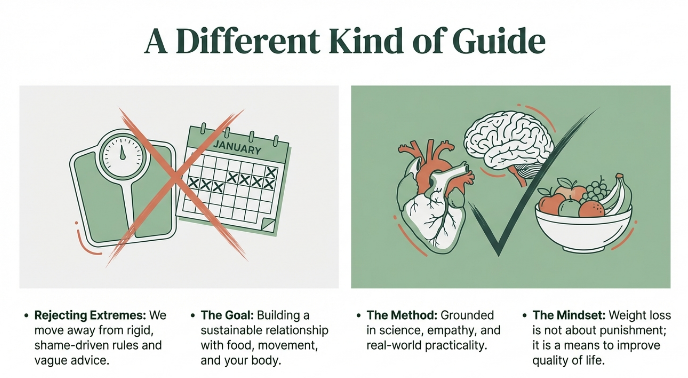
Most weight-loss content falls into one of two extremes: rigid, shame-driven rules that promise fast results, or vague encouragement that sounds nice but leaves you unsure what to actually do next.
This guide is intentionally different.
It keeps the compassion, balance, and weight-neutral mindset of the article you shared — while filling in the missing pieces that truly invested readers need: clear actions, realistic examples, emotional guidance, and practical tools you can use in everyday life.
This is not a crash-diet plan. It’s not about punishing your body or chasing a number on the scale.
It’s about building a sustainable relationship with food, movement, and your body, and — where appropriate — using supportive tools like evidence-informed weight-loss supplements to make the process easier, not harder.
1. What Is a “Healthy Body Weight,” Really?
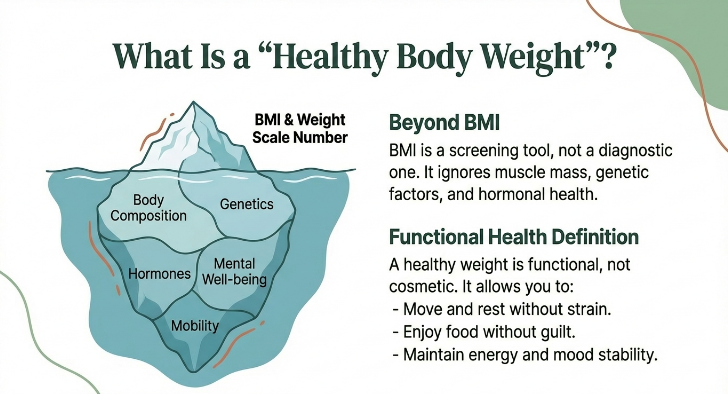
The idea of a “healthy weight” has been oversimplified for decades. Body Mass Index (BMI) is still widely used in medicine because it’s convenient for screening large populations — but it tells us very little about your individual health.
BMI does not account for:
- Body composition (fat vs. muscle)
- Genetics
- Age
- Hormonal health
- Lifestyle
- Mental and emotional well-being
A truly healthy body weight is one that allows you to:
- Feel comfortable and at home in your body
- Move, work, and rest without constant strain
- Enjoy food without guilt or fear
- Support stable energy, mood, and sleep
- Reduce risk factors for weight-related conditions
- Maintain your weight without extreme restriction or repeated cycles of loss and regain
In other words, health is functional, not cosmetic.
This guide treats weight loss as a means to improved health and quality of life — not as the goal itself.
2. Start With the “Why,” Not the Scale
Before changing what you eat or how you move, pause and ask a deeper question:
What do I want weight loss to make possible in my life?
Common, valid reasons include:
- Lowering blood pressure, cholesterol, or blood sugar
- Managing conditions like insulin resistance, joint pain, or PCOS
- Reducing reliance on certain medications
- Moving with less pain or fatigue
- Feeling more comfortable in daily activities
- Improving confidence and emotional ease around food
Notice that none of these are about perfection.
When your motivation is rooted in how you want to live, not how you want to look, your choices become more sustainable — and far kinder.
At this stage, professional support can be invaluable. A weight-sensitive healthcare provider, dietitian, or therapist can help you assess how weight interacts with your health and guide you through options without judgment.
3. Nutrition for Weight Loss That Actually Lasts
There is no single “best” diet for weight loss. What matters most is consistency over time, not rigid rules.
A healthy, sustainable approach to eating has three core principles:
3.1 Balance, Not Restriction
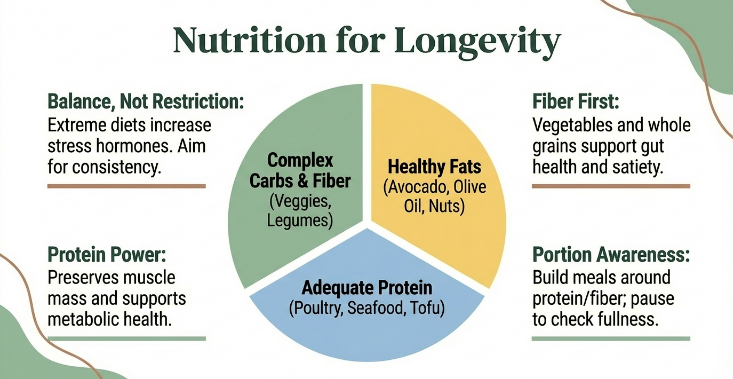
Highly restrictive diets often backfire. They increase stress hormones, intensify cravings, and raise the risk of weight cycling — which is linked to poorer long-term health outcomes.
Instead of eliminating entire food groups, aim for balance.
A supportive weight-loss diet generally includes:
Complex carbohydrates
Vegetables, fruits, legumes, and whole grains provide fiber and steady energy. Fiber helps regulate blood sugar, supports gut health, and increases satiety.
Adequate protein
Protein is essential for preserving muscle mass during weight loss. It also supports fullness and metabolic health. Sources include poultry, seafood, eggs, dairy, tofu, beans, lentils, and nuts.
Healthy fats
Unsaturated fats support hormone production, brain health, and nutrient absorption. Olive oil, avocados, nuts, seeds, and fatty fish are excellent options.
3.2 Portion Awareness Without Obsession
You don’t need to weigh every gram of food to lose weight — but being aware of portions matters.
Simple strategies:
- Build meals around protein and fiber first
- Use smaller plates if helpful
- Pause halfway through meals to check fullness
- Eat slowly enough to notice satisfaction cues
These practices reduce overeating without creating food anxiety.
3.3 Emotional & Habit-Based Eating
Not all hunger is physical.
Stress, boredom, loneliness, and fatigue can all drive eating — and that’s human.
Instead of asking, “How do I stop this?” try asking:
- What do I actually need right now?
- Is food meeting an emotional need?
Building alternative coping tools (rest, movement, connection, boundaries) is often just as important as changing food choices.
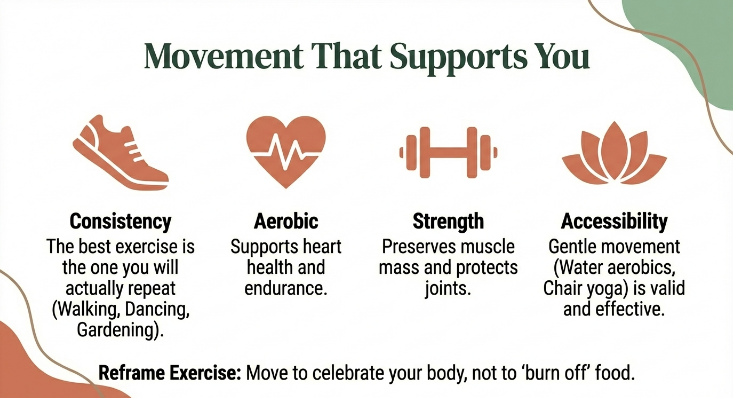
4. Movement That Supports Your Body — Not Punishes It
Physical activity is a powerful health tool, but it’s often framed as a way to “burn off” food. That mindset disconnects us from our bodies.
Research consistently shows that fitness matters more than weight alone for heart health, longevity, and quality of life.
4.1 Choose What You’ll Actually Do
The best exercise is the one you’ll repeat.
Options include:
- Walking
- Swimming
- Dancing
- Cycling
- Yoga or Pilates
- Strength training
- Home body-weight routines
Start where you are. Even 5–10 minutes counts.
4.2 Combine Cardio and Strength
Both matter:
- Aerobic movement supports heart health and endurance
- Strength training preserves muscle mass, supports metabolism, and protects joints
You don’t need a gym. Resistance bands, body-weight exercises, or light dumbbells are enough to start.
4.3 Movement for Pain and Mobility
If you live with joint pain or limited mobility, gentle movement can still be beneficial. Water exercise, chair workouts, and physical therapy-guided routines can make movement accessible and safe.
5. Why Weight Loss Feels Hard: Biology Explained Simply
Weight loss is often harder than it seems due to biological factors beyond willpower. Understanding these mechanisms can help reduce frustration and increase success.
5.1 Hormones
Hormones regulate appetite, metabolism, and fat storage. Key players include:
- Leptin: Signals fullness; can be blunted in overweight individuals
- Ghrelin: Signals hunger; rises when dieting, increasing cravings
- Insulin: Regulates blood sugar; imbalance can promote fat storage
- Cortisol: Stress hormone; chronically high levels can promote fat retention
5.2 Stress
Chronic stress affects eating patterns, cravings, and metabolic efficiency. Managing stress through mindfulness, movement, or therapy can reduce emotional eating and support hormonal balance.
5.3 Sleep
Poor sleep dysregulates hunger hormones and reduces energy for movement. Prioritize 7–9 hours of quality sleep to support metabolism, appetite regulation, and recovery.
5.4 Metabolic Adaptation
The body naturally adapts to weight loss by slowing metabolism and increasing hunger cues. Understanding this helps normalize plateaus and avoid self-blame.
6. Supplements: Supportive Tools for Sustainable Weight Loss
Lifestyle changes are the foundation of weight loss. Certain supplements can support metabolism, appetite control, digestion, and sleep — enhancing your efforts when used correctly.
Morning / Daily Support
- Lean Bliss: Metabolic support for energy and fat burning
- Coffee Slimmer Pro: Integrates easily with morning routines, supports alertness and metabolism
- GutOptim: Digestive balance for day-to-day comfort and nutrient absorption
Evening / Nighttime Support
- Bevital Slim PM: Supports restful sleep and reduces nighttime cravings
Flexible / Ritual-Based Support
- All Day Slimming Tea: Gentle digestion and hydration support
- Sumatra Slim Belly Tonic: Targeted belly fat support for stubborn areas
- KeySlim Drops: Easy-to-use daily liquid support for consistent intake
Note: Supplements enhance, but do not replace, healthy habits.
7. 7-Day Sustainable Starter Plan
Sample Week:
Day 1:
- Breakfast: Oatmeal + berries + nuts + Coffee Slimmer Pro
- Lunch: Grilled chicken salad + olive oil dressing
- Snack: Greek yogurt + fruit
- Dinner: Baked salmon + quinoa + steamed veggies
- Bevital Slim PM before bed
Day 2:
- Breakfast: Scrambled eggs + spinach + whole-grain toast + KeySlim Drops
- Lunch: Lentil soup + side salad
- Snack: Apple + nut butter
- Dinner: Stir-fry tofu + brown rice + vegetables
(Days 3–7 continue with rotating lean proteins, vegetables, whole grains, and moderate snacks. Each day integrates supplements as per above suggestions.)
Movement Ideas:
- Morning: 10–20 min walk or yoga
- Afternoon: Light resistance training or stretching
- Evening: Gentle walk or mobility exercises
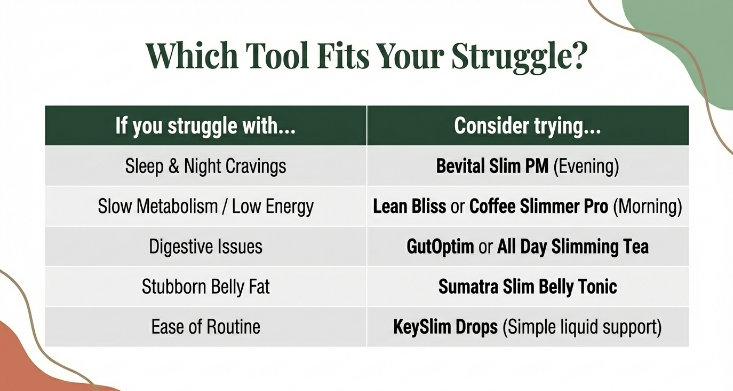
8. Decision Guide: Which Supplement Fits Your Struggle
| Goal / Struggle | Recommended Supplement | Timing | Notes |
|---|---|---|---|
| Sleep support & night cravings | Bevital Slim PM | Evening | Use 30–60 min before bed |
| Metabolism & energy | Lean Bliss | Morning | Combine with breakfast |
| Digestive comfort | GutOptim | Morning | With or after food |
| Belly fat support | Sumatra Slim Belly | Any | Integrate with balanced meals |
| Routine-friendly daily support | KeySlim Drops | Morning or mid-day | Easy consistency |
| Gentle hydration & digestion | All Day Slimming Tea | Throughout day | Ritual-based intake |
| Morning energy & metabolism | Coffee Slimmer Pro | AM | Pair with breakfast or morning coffee |
9. Expanded FAQ
Q1: Are crash diets harmful?
Yes. Rapid, restrictive diets increase nutrient deficiencies, hormonal disruptions, and weight cycling risks.
Q2: How long does sustainable weight loss take?
It varies. Aim for 0.5–1 kg per week for safe, maintainable progress.
Q3: Can I stop using supplements once I lose weight?
Often yes, but some may provide ongoing support for metabolism or gut health. Adjust based on goals and health.
Q4: What about plateaus?
Plateaus are normal. Adjust activity, habits, or diet slightly, and focus on non-scale victories.
Q5: What if I regain weight?
Weight regain is common. Reframe it as learning, adjust habits, and continue forward.
Q6: Do older adults need different approaches?
Yes. Older adults may need more protein, strength training, and higher body weight for bone/muscle health.
Q7: Are men and women different in weight loss?
Yes. Hormonal cycles, fat distribution, and metabolic differences can influence results. Personalization is key.
Q8: Can I combine multiple supplements?
Yes, as long as you follow guidance, start gradually, and monitor tolerance.
Q9: How do I stay motivated long-term?
Track functional outcomes, celebrate non-scale victories, and integrate habits into routines rather than relying on willpower alone.
Q10: How important is professional support?
Very. Healthcare providers, dietitians, and therapists can help tailor approaches, monitor health, and provide accountability.
Final Thoughts: Progress, Not Perfection
Weight loss is a personal, complex journey influenced by biology, environment, and emotions. Success is not about perfection — it’s about consistent, compassionate action.
By combining sustainable nutrition, enjoyable movement, supportive supplements, and mindful habits, you can build long-term health and confidence without punishment or guilt.
Remember, each positive step matters. Celebrate progress, not the number on the scale.
This guide is for educational purposes and does not replace professional medical advice.